Moldy Rug Cleaning & Mildew Removal
California Rug Cleaning removes mold, mildew and musty odors from moldy rugs at our Canoga Park facility, serving the San Fernando Valley. Every rug is assessed, washed by full immersion and dried in controlled conditions, with free pickup and delivery within 20 miles.
What Decides How a Moldy Rug Is Treated
A moldy rug needs more than a wash chosen by its appearance. The water source, time spent damp, condition of the foundation and possible exposure all affect the decision. A slow leak beneath a plant pot can leave a different problem from a sewage backup, even when both rugs smell musty. These four factors help determine whether cleaning is practical, what precautions are needed and when replacement is the better choice.
Where the Water Came From
A leaking supply pipe, overflowing appliance and outdoor flood do not bring the same contamination into a rug. Sewage and floodwater can carry hazards beyond mold, while even initially clean water becomes more concerning as it stands. Tell us where the moisture came from before attempting cleanup or bringing the rug in.
Moisture is not always obvious
A plant pot, pet accident, damp floor or poorly ventilated storage space can keep the underside wet without soaking the whole rug. Finding that source matters as much as treating the visible patch. Unless the leak, trapped moisture or humidity is corrected, growth can return after cleaning.
How Long the Rug Stayed Wet
Water rarely ruins a rug on its own. Time does. A rug dried quickly can often recover fully if . However, even if the water is clean, mold and mildew can begin grow after 24 to 48 hours. Left wet for a week, it may develop mold, lasting dye bleed and a weakened or rotting foundation.
Repeated dampness adds up
A rug does not need to sit in a flood for days to deteriorate. Small, repeated wettings can keep the same foundation threads damp over a much longer period. Tell us about recurring leaks or spills as well as the most recent incident, especially if the smell appeared before you noticed the water.
Stages of a Moldy Rug
What starts as a musty smell can become lasting damage as mold grows through a rug. It breaks down organic fibers as it feeds, gradually weakening the pile and foundation from within. As that damage develops, dark stains and discoloration may appear, sometimes remaining even after cleaning.
Identifying your rugs condition
Mildew is a gray or white powdery film on the surface and is usually fixable when caught early. Mold goes deeper, into the pile and foundation, and shows as black, green or blue spots. It can often be removed, though some staining may remain. Dry rot is the stage where mold has digested the cotton foundation. The rug turns stiff and brittle and cracks when it’s bent. Rot can be stabilized or rebuilt, but it can’t be reversed.
Health Concerns Around a Moldy Rug
Mold spores, live and dead, can trigger allergies and aggravate asthma, which is why a moldy rug shouldn’t be shaken, beaten or vacuumed indoors with a regular vacuum. Any of those puts spores back into the air you breathe. Black mold on a rug looks the most alarming, but any visible mold should be handled the same careful way.
Be Careful
If you need to move the rug before we collect it, wear gloves and a mask, take it outside, and roll it gently with the pile facing out. If someone in the home has a serious mold allergy and the smell or growth keeps returning, replacing the rug may be the safer choice, and we’ll tell you if that’s where things stand.
How Moldy Rug Cleaning Is Different
A moldy rug needs special treatment because growth can extend beneath the pile into the foundation and backing. Getting it out means killing the mold through the whole rug, flushing it out of the foundation, and drying the rug fast enough that it can’t grow back. Surface cleaning may leave contamination behind, while adding moisture without thorough drying can encourage regrowth.
We find out what kind of water it was and how long the rug was wet, then check the back, bend suspect areas, and identify whether we’re dealing with mildew, mold or dry rot. Each one needs a different plan. If the foundation has rotted, you’ll hear that before we start.
In addition to our standard cleaning process, the rug is treated with an antimicrobial made for natural fibers, so it kills mold without bleaching or damaging wool and silk. A full immersion wash then flushes spores, dead mold and residue out of the foundation, not just the surface.
Drying is the step that matters most. A rug that dries slowly after washing can grow mold again. Ours are dried quickly in controlled conditions until the foundation is dry, not just the pile. Then any remaining stains or odor are treated.

Need More than Just Mold Removal for Your Rug?
Washing kills mold and flushes it out, but it can’t put back what the mold has already eaten. Rotted foundation, holes, ripples from uneven drying and separated backing need repair as well as cleaning. We handle both, so one pickup covers everything your rug needs.
Signs You Need Repair
·
Stiff areas that crack when bent
·
Ripples or curling
·
Backing separating
·
Holes or tears in the foundation
Why Materials Matter
Mold feeds on natural fibers, and some rugs give it more to eat than others. We identify the fiber, the foundation and the backing before treating anything, because they decide how a moldy rug is cleaned and how much of it can be restored.
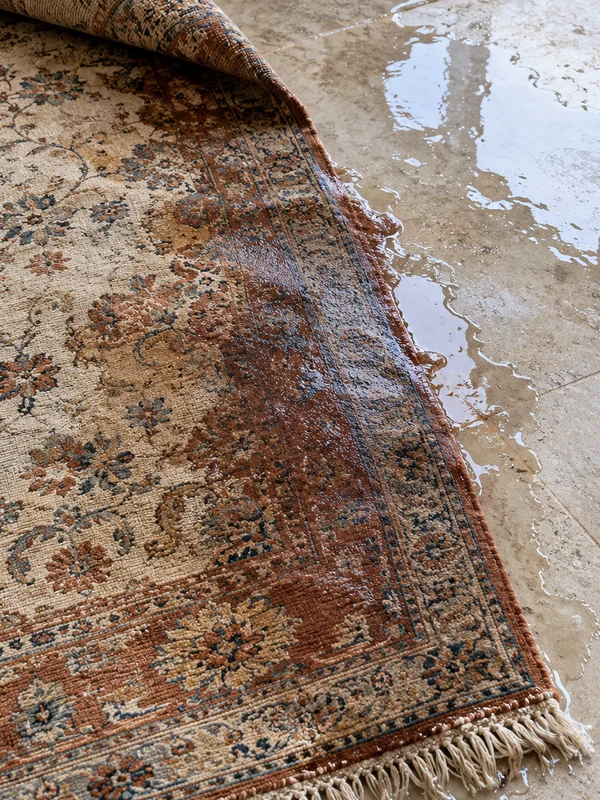
Wool
Wool can retain moisture and musty odor even when the surface feels dry. Its dyes and foundation need testing before washing. A sound foundation gives treatment a better starting point, but staining or color changes may remain.
Cotton
Cotton foundation threads can hold moisture beneath an apparently dry pile. Prolonged dampness and fungal deterioration can leave them brittle, even when the face still looks intact. Removing mildew in rug foundations does not restore strength once those threads have decayed.
Silk & Viscose
Silk can stain and lose strength, while its dyes may move during treatment. Viscose, jute and sisal are especially vulnerable to moisture-related browning and deterioration. Extensive mold or prolonged soaking can make replacement more practical than further wet treatment.
Hand-Tufted Rugs
Cloth and latex backing can trap moisture and contamination beneath the pile. Prolonged wetting may also weaken the adhesive and cause separation. Light contamination and an intact backing present a different outlook from widespread growth or failing glue.
Pickup & delivery
Free Pickup and Delivery for Your Moldy Rug
We can pick up your rug and deliver it when cleaning is complete, or you can bring it to our Canoga Park facility. Pickup and delivery are free within 20 miles. If you have a moldy rug, let us know when scheduling so we can plan how to handle it during collection.
Option one
Free pickup & delivery
Free within 20 miles of our location. Flat-fee for longer distances.
- Save the trips to our facility
- No lifting or loading a bulky rug yourself
- Schedule pickup and delivery to fit your plans
Option two
Drop-offs & walk-ins
Bring the rug in any day we are open. No appointment, and someone will look at it with you at the counter.
- 8559 Canoga Ave, Canoga Park, CA 91304
- Tuesday to Sunday, 10:00am to 5:30pm
- No Appointment Required
Other Rug Cleaning Services
Mold isn’t the only thing that can happen to a rug. Whatever issue your rug has, we’ll explain what cleaning can achieve and where its limits lie. Explore our other services to find the care it needs.
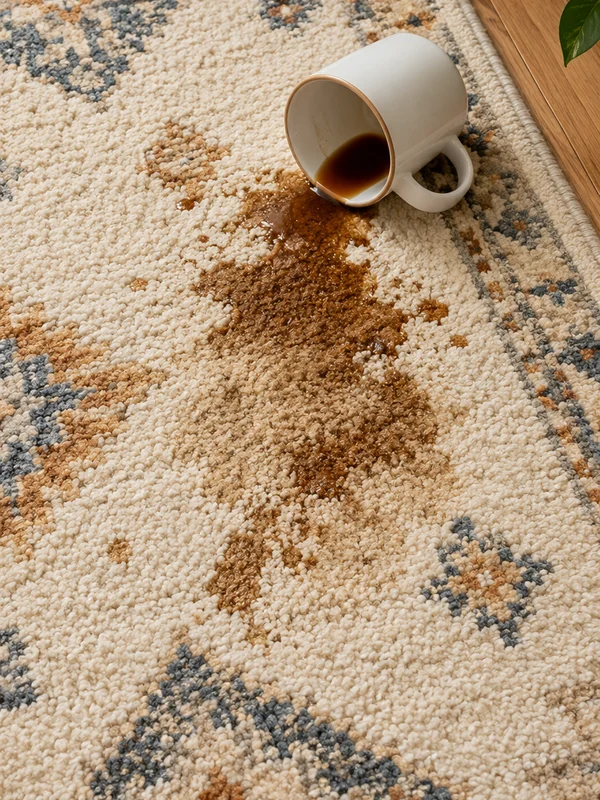
Stain Removal
Treatments for wine, coffee, ink, and other difficult spills, using methods specific to the stain and materials.
Pet Urine & Odor
Deep cleaning treatment for urine deposits with attention to affected dyes and contamination.
Moth Damage
Supplemental cleaning for moth-affected area rugs, removing larvae and eggs from the pile and foundation.