Moth Damage Rug Treatment & Repair
California Rug Cleaning gets rid of moths in rugs at our Canoga Park facility, removing larvae, eggs and webbing and finishing every rug with a moth repellent that protects it for four to five years. We also repair the holes and bare patches moths leave behind, with free pickup and delivery within 20 miles.
What Attracts Moths in Rugs
When someone says they have a moth infested rug, they rarely mean the ones you see flying around. They have moth larvae in their rugs. These moth larvae need food and shelter and rugs can often provide both these things, with all the conditions in which moths in rugs thrive.
Dark and Undisturbed
Larvae avoid light and movement, so they feed where nobody walks or vacuums: under sofas and beds, along the walls, on the back of the rug, and inside rugs rolled up in storage. The parts of a rug that see daily foot traffic are rarely touched.
Damage often goes unnoticed
Damage from moths in rugs almost always shows up on the back and under furniture long before it reaches the front. A rug that hasn’t been moved in years gives larvae months of uninterrupted feeding, and a rug stored away “to deal with later” is often the most moth infested rug in the house by the time it’s unrolled.
Why Dirty Rugs Attract Moths
Sweat, food spills, pet hair and skin flakes make a rug far more attractive to moths. Larvae need nutrients found in soiled fabric to complete their development, so a dirty rug feeds them better and keeps them there longer.
Cleaning removes more than visible debris
Treating a moth infested rug needs to address the material left between the fibers as well as the insects themselves. Removing accumulated soil helps take away conditions that supported the infestation. It also clears webbing and debris that can hide grazed pile, allowing the damage to be examined more accurately afterward.
Moisture and Humidity
Larvae lose moisture easily and get much of the water they need from their surroundings. Humidity and traces of moisture can support the conditions clothes moth larvae favor. A rug kept in a humid room or put away before it is fully dry may remain undisturbed as well as damp.
Warmth speeds things up too. In warm conditions a moth’s whole life cycle can finish in about a month, and most activity runs from spring through fall. A small problem in April can be a second generation by summer.
Moths in Rugs Love Wool
Moth larvae can digest keratin, the protein in wool and silk, and wool is their main food. Cotton, jute, viscose and pure synthetics aren’t digested, so they’re rarely damaged unless they’re heavily soiled. In wool-and-synthetic blends, larvae eat the wool and may chew through the synthetic fibers to get to it.
Infestations Can Spread
If you’ve found moths in a wool rug, check every other wool piece in the room. A wool rug moth infestation rarely stays in one rug. Throws, upholstery and nearby rugs are often affected too.
How Moth Damage Rug Treatment Is Different
Getting rid of moths in a rug means reaching every life stage, not just the larvae you can see. Eggs and young larvae hide deep in the pile, on the back and in the fringe, and anything left behind keeps eating, including any repair made afterward. That’s why moth damage rug treatment clears and washes the rug completely, then protects it before any repair begins.
We inspect the front, back, edges and fringe to find live activity and map the damage, including areas that haven’t shown on the front yet. We’ll also tell you whether you’re dealing with moths or carpet beetles, which leave similar damage.
The rug is dusted thoroughly to shake out larvae, eggs, cases, webbing and droppings from deep in the pile and foundation, before any water touches it.
A full immersion wash flushes out what dusting leaves behind, along with the sweat, spills and pet hair that attracted moths in the first place.
Once the rug is washed, it’s treated with a moth repellent that protects the wool for four to five years. Clean wool is already far less attractive to moths, and the repellent keeps a new infestation from settling in while the rug is back on your floor.
The rug is dried quickly in controlled conditions, because a damp rug attracts moths and mold. Once it’s clean, the full damage is finally visible, so we show you exactly what was eaten and quote any repair separately.
If the moths have eaten through the pile, we rebuild what was lost once you approve the quote. New knots are tied onto the surviving foundation, holes are rewoven, and edges and fringe are rebuilt, all matched to the rug’s original wool and color.

Need More than Just Moth Damage Rug Treatment?
Treatment stops the damage, but it can’t replace the wool the larvae already ate. A moth eaten rug with bare patches, holes or chewed edges needs repair once it’s clean. That means new knots tied onto the surviving foundation, holes rewoven, and edges and fringe rebuilt to match. We handle both, so your rug comes back treated and repaired in one trip.
Signs You Need Repair
·
Bare patches grazed down to the knots
·
Holes through the foundation
·
Eaten side cords, binding or fringe
·
Tufts falling out on a hand-tufted rug
Wool Rug Moth Treatment
Wool is what moths come for, but not every wool rug suffers the same damage. How a rug was built decides whether larvae leave bald pile or open holes, and that shapes both the wool rug moth treatment and the repair that follows.
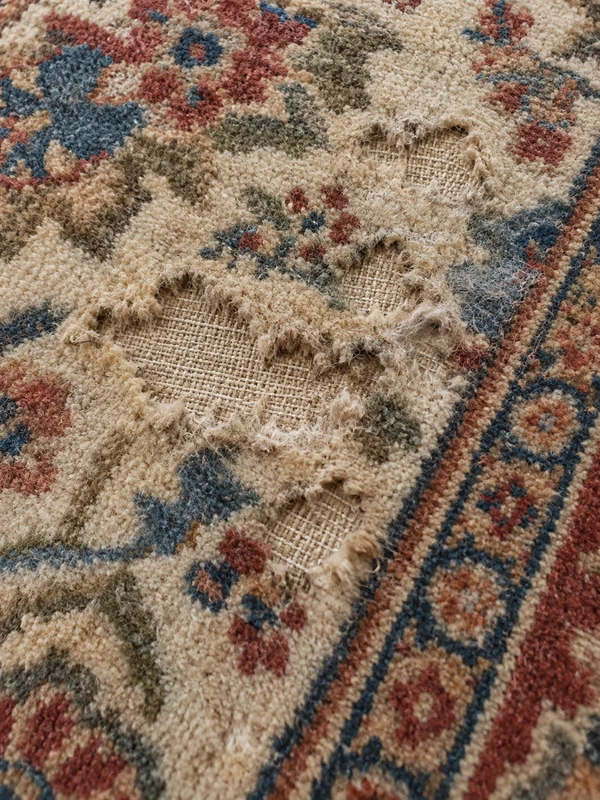
Why Moths Like Eating Wool Rugs
Wool is made of keratin, the protein moth larvae are built to digest, so a wool rug is food in a way that a cotton or synthetic rug isn’t. Wool also holds onto the sweat, skin flakes and spills that larvae need to finish developing, and a thick, soft pile gives them shelter while they feed. On many handmade rugs the foundation is wool too, so larvae can keep eating past the pile and through the rug itself.
Signs of a Wool Rug Moth Infestation
Moth damage on wool usually starts where you can’t see it, so check the back of the rug and the areas under furniture first. Look for:
- Bare or thin patches where the pile has been grazed down to the knots
- Fine, silky webbing, tunnels or small cases in the pile or on the back
- Sandy, grain-like droppings, often the same color as the wool
- Tufts that come loose when the pile is brushed
- Small cream-colored larvae, or small moths fluttering low near the floor
If you’re seeing any of these, the sooner the rug comes in, the less there will be to repair. Our wool rug moth treatment removes the larvae and eggs, washes out the soil that drew them in, and protects the wool with a repellent that lasts four to five years. Any damage they left behind can be repaired in the same trip.
Pickup & delivery
Free Pickup and Delivery for Moth Damage Rug Treatment
We can pick up your rug and deliver it when cleaning is complete, or you can bring it to our Canoga Park facility. Pickup and delivery are free within 20 miles. If you have a moth infested rug, let us know when scheduling so we can plan how to handle it during collection.
Option one
Free pickup & delivery
Free within 20 miles of our location. Flat-fee for longer distances.
- Save the trips to our facility
- No lifting or loading a bulky rug yourself
- Schedule pickup and delivery to fit your plans
Option two
Drop-offs & walk-ins
Bring the rug in any day we are open. No appointment, and someone will look at it with you at the counter.
- 8559 Canoga Ave, Canoga Park, CA 91304
- Tuesday to Sunday, 10:00am to 5:30pm
- No Appointment Required
Other Rug Cleaning Services
Moths in rugs isn’t the only thing that can happen to a rug. Whatever issue your rug has, we’ll explain what cleaning can achieve and where its limits lie. Explore our other services to find the care it needs.
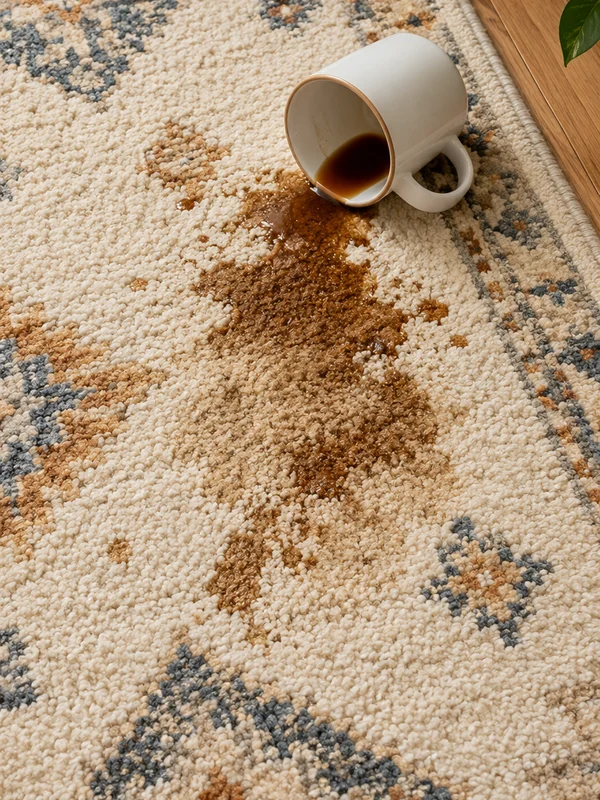
Stain Removal
Specialized treatments for wine, coffee, ink, and other difficult spills, using methods specific to the stain and materials.
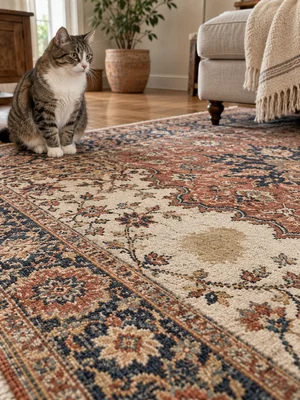
Pet Urine & Odor
Targeted Deep cleaning rug treatment for pet urine deposits with attention to affected dyes and contamination.
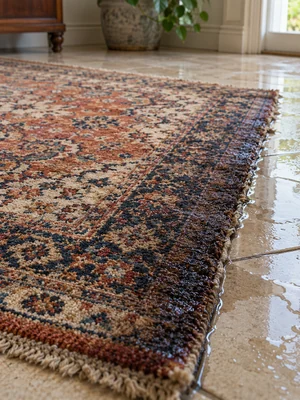
Mold & Mildew
Comprehensive rug cleaning process for moldy rugs, guided by the water source, rug type and materials and extent of damage.