Pet Urine Removal for Area Rugs
California Rug Cleaning provides pet urine removal for area rugs at our Canoga Park facility, with free pickup and delivery within 20 miles. When removing cat urine or cleaning dog urine, we address contamination beneath the pile and help prevent urine-related staining.
Why Pet Urine Removal Is So Difficult
Pet urine removal for area rugs involves more than treating the spot you can see. Liquid can spread through the pile into the foundation and pad, leaving contamination beneath a surface that looks dry. As urine ages, its chemistry changes, creating different problems for odor, color and the rug’s structure. How recently the accident happened, whether it has happened before and what the rug is made from all affect the outcome.
Pet Odor Removal for Area Rugs
Fresh urine and an old accident do not smell the same. As bacteria break down urine, ammonia and other odor compounds develop. Cleaning cat urine can be especially tough because cat urine is persistent, and repeated accidents add contamination before the earlier deposits have been removed.
Why the smell comes back
Dried urine leaves residues deep in the rug. Some attract moisture from the air, which helps explain why an old accident can smell again during humid weather. Removing cat urine from the surface may help temporarily, but deposits in the foundation, pad or floor can remain a source of odor.
Why Stains Remain After Pet Urine Removal
Pet urine stains often look worst after the spot has dried. As the liquid evaporates, dissolved urine and soil wick up through the fibers and settle at the tips, leaving a yellow or brown ring on light colors and wool. Fresh stains usually respond well to pet urine rug cleaning, but the longer urine sits, the deeper it sets into the fiber.
Dyes can change permanently
Urine generally becomes more alkaline as it breaks down, which can destabilize dyes and damage sensitive fibers. Colors may migrate into neighboring areas or change permanently. Removing cat urine or cleaning dog urine does not necessarily restore the original color. A clean rug can still show permanent discoloration.
What to Do Immediately After an Accident
When cleaning pet urine, blot with a clean white towel. Don’t rub. Rubbing spreads the liquid and disturbs the pile. Check the pad and floor underneath, and lift the damp area away from flooring that could be damaged by moisture.
Be cautious with water and products
For a water-safe, colorfast rug, a little cool water followed by blotting can dilute fresh urine. Do not soak an unidentified rug, and stop if color transfers to the towel. Silk, viscose, plant fibers and unstable dyes need specialist advice before wet treatment.
Dry promptly and skip the shortcuts
Allow air to reach both sides and use a fan. Avoid heat, bleach, peroxide and ammonia-based cleaners. Before using an enzyme product, check that it is suitable for the rug’s specific fibers and dyes.
Can Pet Urine Removal Save Your Area Rug?
Many contaminated rugs can be cleaned successfully, especially when accidents receive prompt attention. Old stains are less predictable. Pet urine removal may substantially improve the smell while leaving an older stain visible. Yellowing, dye loss and color bleeding can represent permanent changes rather than dirt another wash will remove. Early treatment generally offers a better outlook, but fibers and construction matter too.
Structural damage limits recovery
Repeated contamination and moisture exposure can weaken a cotton foundation, leaving it stiff or brittle. In tufted rugs, urine can reach the backing and adhesive. Cleaning and removing cat urine or dog urine cannot restore deteriorated threads or failed glue, so some rugs need repair or backing work, and severely damaged rugs may not justify restoration.
How Pet Urine Removal for Area Rugs is Different
A standard area rug wash addresses accumulated soil, but cleaning pet urine also needs attention to hidden deposits and affected dyes. These additional measures depend on the rug’s construction and what it can safely tolerate.
UV light helps identify suspected deposits when cleaning cat urine and older accidents. Inspecting both sides helps establish how far contamination may have spread. Fluorescence is a clue, so findings need to be considered alongside visible staining and odor.
Where the construction and dyes allow, a treatment soak helps loosen urine deposits before washing. Cleaning pet urine requires chemistry suited to the fibers, especially wool and silk. Household pet products are not suitable for every rug.
For rugs that tolerate washing, water must carry loosened contamination through the pile and foundation. Removing dog urine only from the visible surface can leave deposits underneath. Contaminated areas also need separate dye testing before washing.
After pet urine removal and drying, we check for remaining odor and assess areas that may need further attention. Persistent smell prompts reassessment of the rug and its backing. We also explain when a contaminated pad could compromise the result at home.

Need More than Just Pet Urine Removal for Your Area Rug?
Cleaning pet urine addresses the contamination, but it cannot replace missing fiber or restore strength to rotted cotton caused by repeated accidents. California Rug Cleaning repairs damaged rug foundations by hand, rebuilding weakened areas where restoration is practical.
Signs You Need Repair
·
Stiff or brittle patches around old accidents
·
Splitting or broken foundation threads
·
Loose or separating backing
·
Cracking when the rug bends
Why Materials Matter
The same accident can leave different damage in different rugs. Pet urine removal for area rugs starts with identifying the fibers, backing and condition of the affected area. That assessment helps distinguish contamination that can be removed from permanent changes that cleaning cannot reverse.
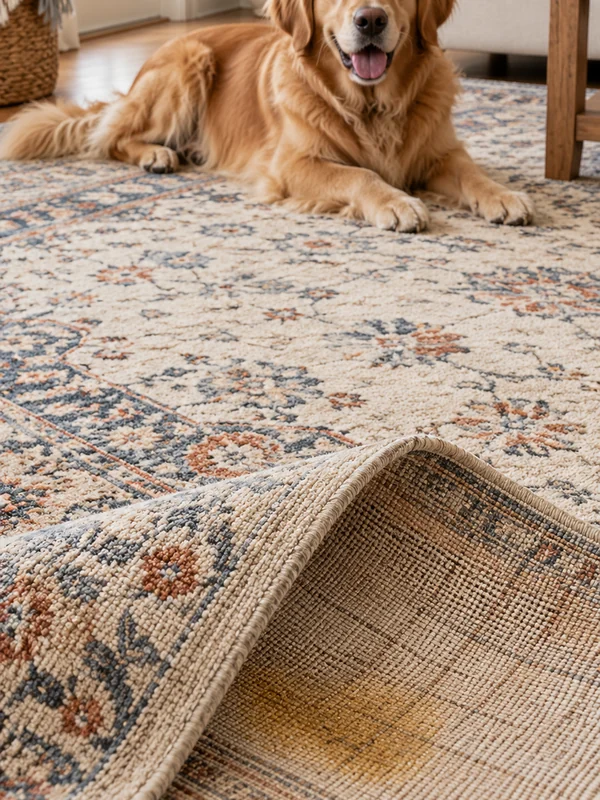
Wool
Wool can absorb urine deeply, while increasing alkalinity can affect its fibers and dyes. Removing pet urine from wool calls for suitable treatment products and testing of contaminated areas. Strong household cleaners can add damage to an already vulnerable spot.
Silk
Silk can have sensitive dyes, while viscose loses strength when wet and can develop browning. These materials need cautious assessment before treatment. Pet odor removal may improve the smell even when the original appearance cannot be fully recovered.
Cotton
Urine can spread through cotton threads beneath the pile and remain after the surface dries. Repeated moisture exposure can contribute to deterioration. Brittle areas need assessment before washing because weakened threads may tear during handling.
Hand-Tufted Rugs
In hand-tufted rugs, urine can reach backing cloth and adhesive, where odor becomes harder to remove. Existing deterioration can limit cleaning options. Some rugs need backing work as well as pet urine removal for area rugs to address the affected materials.
Pickup & delivery
We’ll pick it up, or you can drop it off.
We can pick up your rug and deliver it when it’s ready, or you can drop it off at our Canoga Park facility. However it arrives, once it’s with us, your area rug gets the careful, hands-on treatment it deserves.
Option one
Free pickup & delivery
Free within 20 miles of our location. Flat-fee for longer distances.
- Save the trips to our facility
- No lifting or loading a bulky rug yourself
- Schedule pickup and delivery to fit your plans
Option two
Drop-offs & walk-ins
Bring the rug in any day we are open. No appointment, and someone will look at it with you at the counter.
- 8559 Canoga Ave, Canoga Park, CA 91304
- Tuesday to Sunday, 10:00am to 5:30pm
- No Appointment Required
Other Rug Cleaning Services
Beyond pet urine removal, California Rug Cleaning treats area rugs affected by water, smoke and household spills. Each problem calls for an assessment of the contamination and the rug’s materials. Tell us what happened and when, including any products you have already applied.
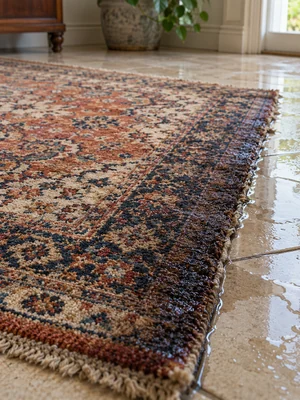
Mold & Mildew Removal
Specialized rug cleaning process, guided by the water source, rug type and materials and extent of damage.
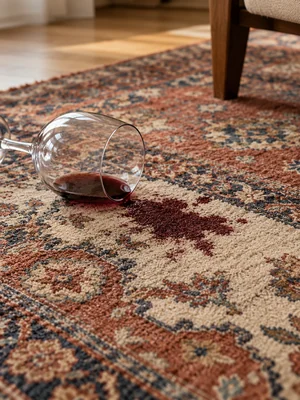
Stain Removal
Targeted treatment for wine, coffee, ink and other difficult spills, using methods specific to the stain and materials.
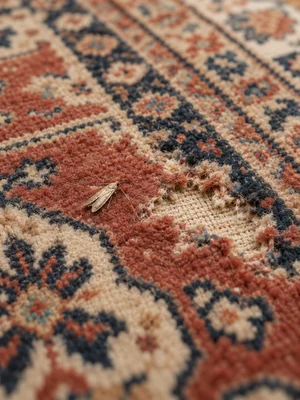
Moth Damage
Supplemental cleaning for moth-affected area rugs, removing larvae, eggs and debris from the pile and foundation.